Jacquard upholstery fabric, with its complex weaving process and unique visual effects, has become an indispensable part of the home furnishings and fashion industries. It not only adds layers and decorative elements to the fabric but also brings a distinctive aesthetic to spaces or clothing through different patterns and designs. In modern textiles, jacquard fabrics, with their rich textures, elegant appearance, and excellent durability, have become a leader in the field of decoration and design.
Characteristics of Jacquard Upholstery Fabric Weaving Process
The greatest feature of jacquard fabric lies in its weaving process. This process uses precise textile technology to weave patterns or textures directly into the fabric, creating a three-dimensional effect. Unlike traditional printing techniques, jacquard fabric "embeds" the pattern into the fabric during the weaving process, giving the patterns not only a high degree of color layering but also a three-dimensional feel and texture.
The weaving process of jacquard fabric usually uses complex weaving equipment, creating rich textures through the interlacing of multiple warp and weft threads. Depending on the weaving technology and pattern design, jacquard fabrics can present a variety of effects, from simple to complex and varied. For example, classic jacquard fabrics are commonly found in classical style furniture decoration, while modern designs tend to use simpler, abstract patterns and textures, in line with contemporary aesthetic trends.
Types and Applications of Jacquard Decorative Fabrics
Jacquard fabrics are diverse and widely used in home decoration, fashion clothing, and high-end custom clothing, among other fields. Depending on the weaving technology and fabric materials, jacquard fabrics can be divided into various types, including cotton, silk, wool, and synthetic fibers.
Home Furnishings
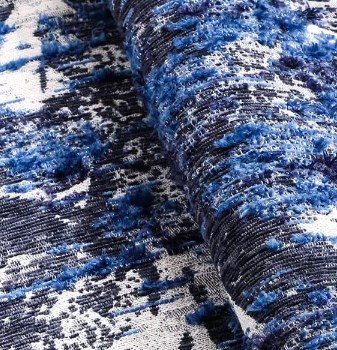
In the home furnishings field, jacquard fabrics are often used for sofa covers, curtains, cushions, and other decorative textiles. Their three-dimensional patterns and exquisite texture add a touch of nobility and elegance to a space. Especially in European classical style home design, jacquard fabrics are an indispensable element due to their rich patterns and elegant luster. Through clever matching, jacquard fabrics can add an artistic atmosphere and a sense of luxury to a room, enhancing the overall design style.
Fashion Design
In the field of fashion design, jacquard fabrics are widely used in evening gowns, wedding dresses, and high-end custom clothing. Their unique weaving process and luxurious texture make these garments visually more three-dimensional and layered, highlighting the wearer's temperament and taste. Whether it's classic floral patterns or modern geometric abstractions, jacquard fabrics add a unique decorative element to clothing, achieving a perfect combination of art and practicality.
Advantages and Charm of Jacquard Decorative Fabrics
The biggest advantage of jacquard decorative fabrics lies in their durability and unique decorative effect. Because the patterns are formed during the weaving process, jacquard fabrics have more durable patterns than printed fabrics and are less likely to fade or peel. In addition, the three-dimensional and textured feel of jacquard fabrics makes them richer to the touch, providing users with a different visual and tactile experience.
Another major charm of jacquard decorative fabrics is their ability to showcase different styles according to different design needs. Whether classic and luxurious or modern and minimalist, jacquard fabrics can easily integrate into various design styles, becoming a highlight of the design. Their unique craftsmanship allows them to present a wide variety of patterns, adding layers and complexity to the overall space or garment.
Guide to Choosing Jacquard Decorative Fabrics
When choosing jacquard decorative fabrics, the first thing to consider is the fabric material. Different materials of jacquard fabrics are suitable for different uses. For example, silk jacquard fabrics are lightweight and have a strong luster, making them ideal for evening gowns or high-end custom clothing; while cotton jacquard fabrics are softer and more comfortable, suitable for home textiles or everyday wear.
The fabric pattern design is also an important consideration when purchasing. Jacquard fabric patterns can be divided into various styles, such as classic floral, geometric patterns, and abstract art. Choosing the right pattern can enhance the overall style and taste of the design. For home textiles, choosing patterns that coordinate with the interior decoration style can add a finishing touch; for clothing design, choosing the right jacquard fabric pattern can highlight the wearer's personal style and taste.
The quality of the jacquard fabric is also crucial, especially in high-end custom clothing, where the quality of the fabric directly affects the appearance and wearing experience of the garment. Therefore, choosing well-known brands or jacquard fabrics with strict quality control can ensure their durability and comfort during use.
Frequently Asked Questions
Q1: What is the difference between jacquard decorative fabric and ordinary printed fabric?
A1: The main difference between jacquard decorative fabric and ordinary printed fabric lies in the weaving process. Jacquard fabric incorporates patterns or textures directly into the fabric during the weaving process, resulting in more three-dimensional and durable patterns. Printed fabric, on the other hand, uses printing technology to print patterns on the fabric surface. While the patterns can be varied, they are prone to fading or peeling.
Q2: What occasions are suitable for jacquard fabric?
A2: Due to its unique decorative properties, jacquard fabric is widely used in home decoration, fashion apparel, high-end custom clothing, and many other fields. It can add an elegant and noble touch to any occasion, and is especially suitable for designs that require attention to detail and quality.
Q3: How to clean jacquard fabric?
A3: The cleaning method for jacquard fabric depends on its material. Generally, silk jacquard fabric should be hand-washed or dry-cleaned, avoiding strong detergents or high-temperature washing; while cotton jacquard fabric can be machine-washed, but excessive rubbing should be avoided to prevent damage to the pattern.
Q4: Can jacquard decorative fabric be used for outdoor furniture?
A4: Jacquard decorative fabric is usually suitable for indoor use. For outdoor furniture, it is recommended to choose fabrics with waterproof and UV-resistant functions. Although some jacquard fabrics may have some UV resistance, prolonged exposure to outdoor environments may affect their texture and pattern.
Q5: Can the pattern design of jacquard fabric be customized?
A5: Yes, many jacquard fabrics offer customization services. According to personal needs or design requirements, different pattern styles and fabric materials can be selected for customization to meet specific design needs.


 ENGLISH
 English
 Español
 عربى
عربى