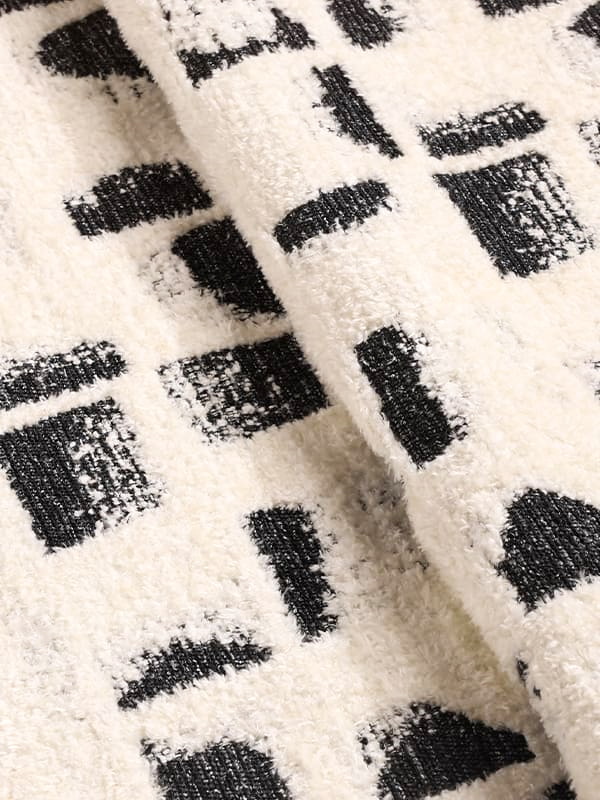
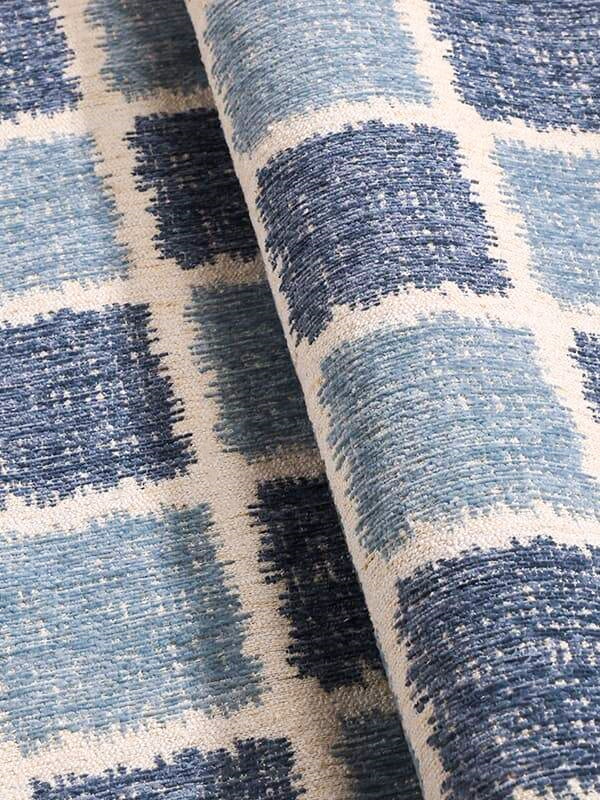
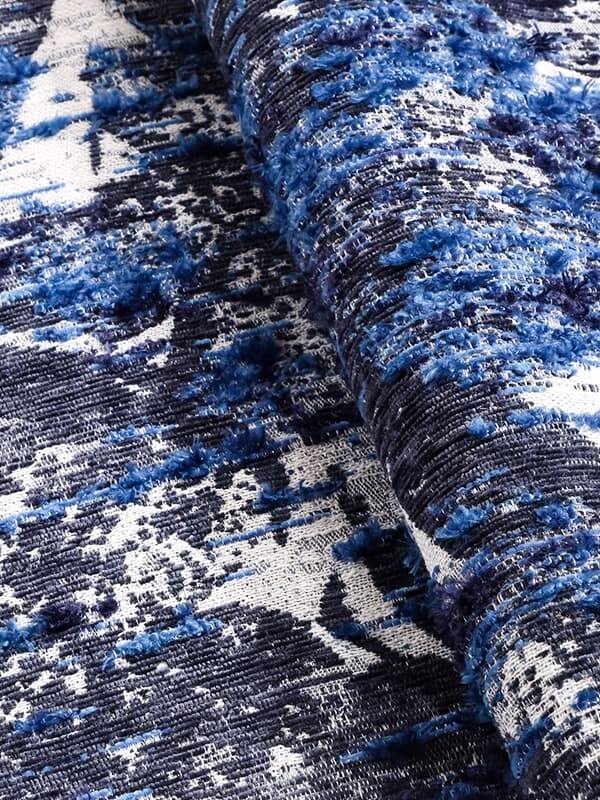
Jacquard upholstery fabric has become a cornerstone of interior design, offering a unique combination of aesthetic appeal, durability, and versatility. As a sophisticated textile, it distinguishes itself from conventional fabrics through its complex weaving technique, allowing for intricate patterns and textures that are integral to the design rather than printed or embroidered on the surface. This inherent quality not only enhances the visual and tactile experience but also ensures long-lasting performance, making it a preferred choice for both residential and commercial applications.
Understanding Jacquard Upholstery Fabric
Jacquard upholstery fabric is produced using the jacquard weaving method, a process that allows individual warp threads to be manipulated independently. This technique creates intricate and highly detailed designs, ranging from traditional floral motifs to contemporary geometric patterns. Unlike simple woven fabrics, jacquard fabrics integrate patterns into the fabric’s structure itself, providing greater durability and resistance to wear.
The versatility of jacquard upholstery fabric is evident in its wide application across furniture, cushions, curtains, and decorative home textiles. Its ability to blend functionality with aesthetic sophistication makes it particularly suitable for high-traffic environments, such as hotels, offices, and hospitality settings, where both durability and style are critical.
Material Composition and Performance
Jacquard upholstery fabrics are produced from a variety of fibers, including polyester, cotton, silk, and blends. Each fiber choice influences the fabric’s texture, sheen, strength, and maintenance requirements. For instance, polyester-based jacquard fabrics offer high resilience and ease of cleaning, making them ideal for family homes or commercial spaces. Cotton or silk blends, on the other hand, provide a luxurious hand-feel and premium appearance but may require more delicate care.
Performance characteristics such as abrasion resistance, colorfastness, and tensile strength are critical metrics in evaluating jacquard upholstery fabric. High-quality fabrics are engineered to withstand daily use while retaining pattern clarity and color vibrancy over time. Moreover, advances in weaving technology have enabled the production of fabrics that meet stringent fire-retardant and environmental standards, aligning with modern safety and sustainability demands.
Manufacturing Excellence
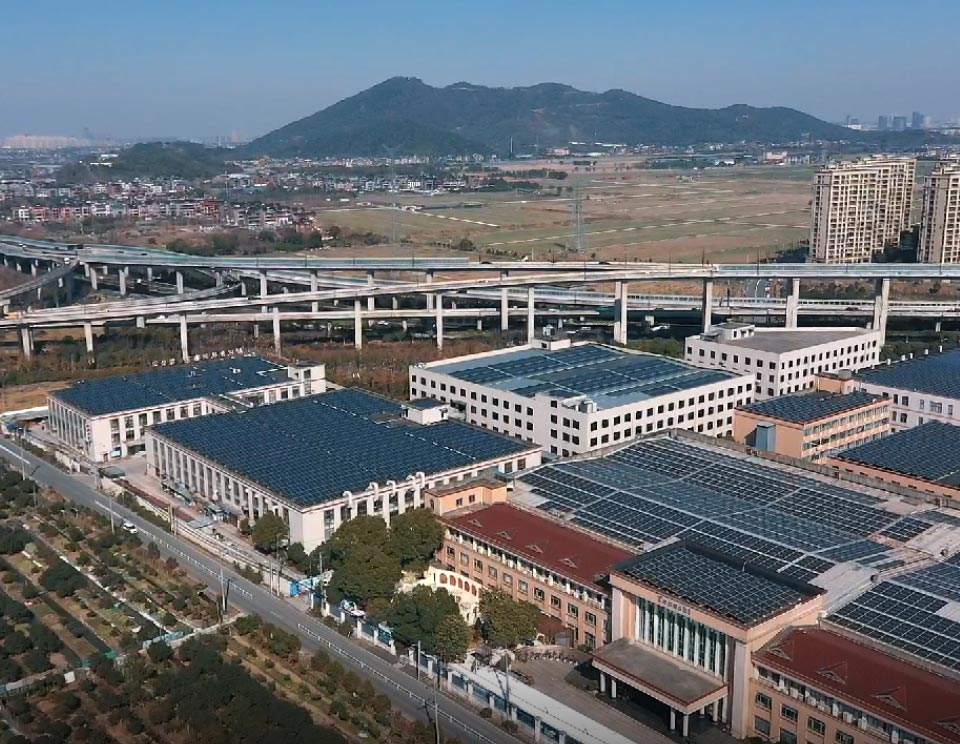
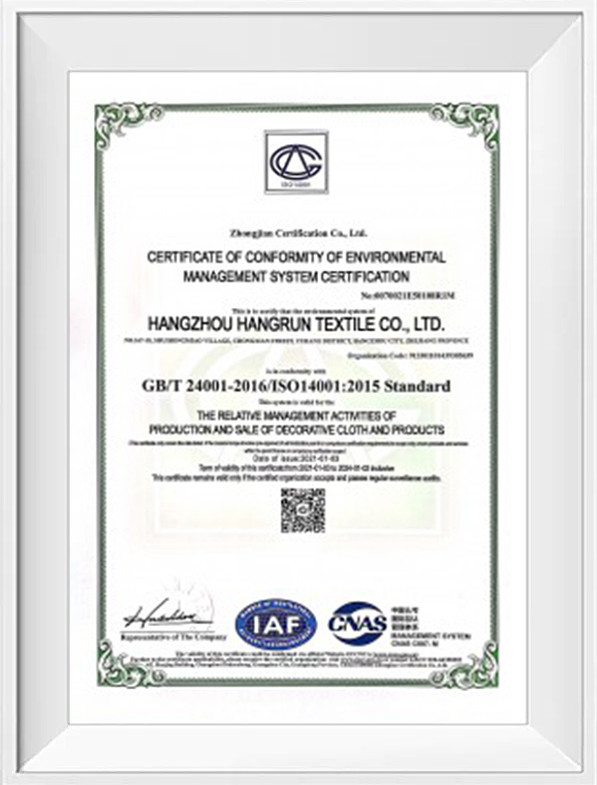
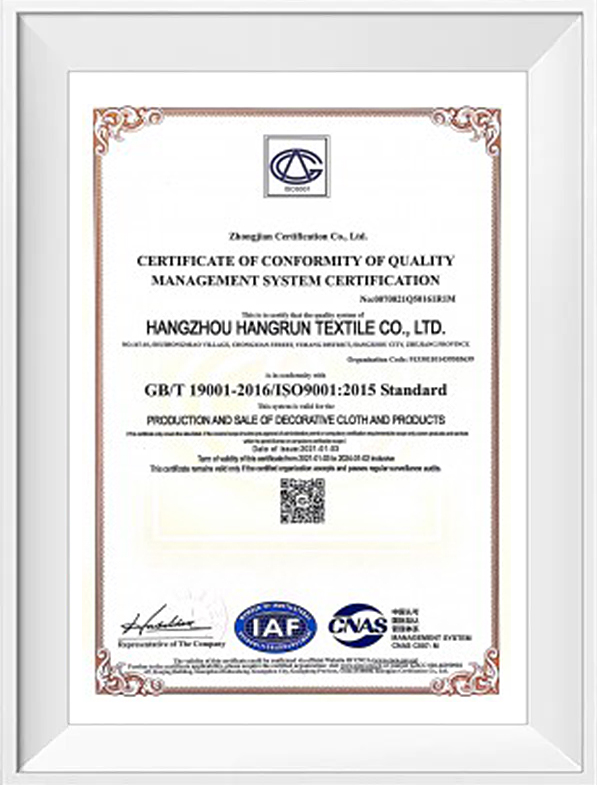
Hangzhou Hangrun Textile Co, Ltd. is specializes in upholstery fabrics, furnishing fabrics, and finished products such as cushions, ready-made curtains, throws, table runners, and non-woven textiles. The company operates three specialized workshops: a weaving workshop, a stitching workshop, and a non-woven workshop.
The weaving workshop boasts 42 imported jacquard weaving machines alongside 40 dobby machines, achieving an impressive annual production capacity of 6,000,000 meters of fabric. This advanced machinery enables Hangrun to deliver high-precision, intricately patterned jacquard fabrics that meet the diverse requirements of contemporary interior designers and furniture manufacturers.
Complementing the weaving capabilities, the stitching workshop operates over 30 stitching machines, producing approximately 150,000 finished products monthly. This allows Hangrun to efficiently convert raw fabrics into ready-to-use home textile products while maintaining strict quality control standards. Additionally, the non-woven workshop, with two production lines, manufactures around 3,000 tons of non-woven fabric annually, further diversifying the company’s product portfolio.
Design and Customization
Hangrun’s in-house design team, currently holding eight exclusive designs, plays a pivotal role in aligning product offerings with market trends and customer demands. By focusing on the target market and cooperating closely with clients, the company provides a wide range of customizable options. Clients can select patterns, colors, and fabric compositions to create unique solutions that enhance their interior projects.
Customization extends beyond aesthetics. Hangzhou Hangrun Textile Co, Ltd. also offers tailored solutions in terms of fabric weight, durability standards, and finishing processes, ensuring that every product meets the specific functional and stylistic requirements of the end user. The combination of bespoke design capabilities and robust production infrastructure allows Hangrun to deliver both small-scale custom orders and large-scale commercial projects efficiently.
Advantages of Jacquard Upholstery Fabric
- Durability: Jacquard fabrics are inherently strong due to the woven pattern, providing superior resistance to wear and tear compared to printed or embroidered fabrics.
- Aesthetic Versatility: The wide range of patterns—from classic damasks to contemporary geometrics—allows designers to achieve desired visual effects without compromising functionality.
- Maintenance: Depending on the fiber composition, many jacquard fabrics are easy to clean, stain-resistant, and maintain their color and texture over time.
- Customization: Advanced weaving technology enables bespoke patterns and fabric specifications, catering to unique design requirements.
- Value-Added Features: Modern jacquard fabrics can be engineered with fire retardancy, anti-static properties, and environmental compliance, enhancing their applicability across various industries.
Market Trends and Demand Drivers
The global demand for jacquard upholstery fabric is influenced by several key trends. Firstly, the shift towards home personalization and premium interior design has driven interest in high-quality, aesthetically distinctive fabrics. Secondly, the hospitality and commercial sectors increasingly prioritize durable, long-lasting materials that can withstand heavy use while maintaining an upscale appearance. Thirdly, sustainability has become a significant consideration, encouraging manufacturers to adopt eco-friendly fibers and production processes.
Technological advancements in jacquard weaving, including computerized jacquard machines, have expanded design possibilities and improved production efficiency. These developments have allowed companies like Hangrun to innovate continuously while delivering competitive pricing, robust production capacity, and reliable logistics services.
Strategic Advantages of Partnering with Experienced Manufacturers
Partnering with an experienced manufacturer ensures access to high-quality fabrics, timely production schedules, and consistent quality control. Hangrun’s emphasis on equipment updates and quality improvement reflects a strategic commitment to stable development in a fast-changing market. Furthermore, the company’s capacity for customization, volume production, and competitive pricing makes it a valuable partner for designers, furniture manufacturers, and distributors seeking premium jacquard upholstery fabrics.
Conclusion
In summary, jacquard upholstery fabric represents a sophisticated and versatile choice for modern interiors. Its combination of durability, aesthetic richness, and functional adaptability positions it as a key material in both residential and commercial spaces. Hangzhou Hangrun Textile Co, Ltd. has advanced weaving capabilities, complete production workshops and customizable solutions, allowing customers to obtain high-quality fabrics and finished products that meet various design and functional requirements.
From intricate floral patterns to contemporary geometrics, from plush cushions to elegant table runners, jacquard upholstery fabric continues to define the standard for quality, versatility, and design excellence in the textile industry.


 ENGLISH
 English
 Español
 عربى
عربى