Introduction
In modern home design and interior decoration, decorative textiles play an increasingly important role. These creative and stylish textiles not only add color and texture to a space but also possess rich cultural significance and historical background. From curtains and carpets to cushions and bedding, every decorative textile can reflect the owner's personality and taste in its details. Therefore, decorative textiles are not only an essential element in interior design but also a perfect combination of art and functionality.
The Diversity and Applications of Decorative Textiles
Decorative textiles come in a wide variety, which can be classified according to material, design, use, and style. Each type of textile has its unique characteristics and design philosophy. For example, bedding and curtains are the most common textiles in home decoration; they must be both aesthetically pleasing and practical. Through carefully selected fabrics, exquisite craftsmanship, and unique designs, decorative textiles can help transform a space from simple to complex, from ordinary to luxurious.
In modern homes, carpets are also an important decorative textile. They not only provide a comfortable feel underfoot but also enhance the overall visual effect of the space through color and pattern. Choosing the right carpet can bring warmth and comfort, and add an artistic touch to the space, especially traditional or handmade carpets, which are often considered symbols of cultural and artistic heritage.
In commercial spaces, especially high-end venues such as hotels and restaurants, the application of decorative textiles is even more extensive. They create a unique atmosphere through elements such as curtains, sofa covers, and cushions, and enhance the customer experience. By using high-quality decorative textiles, commercial spaces can leave a lasting impression on customers both visually and tactilely.
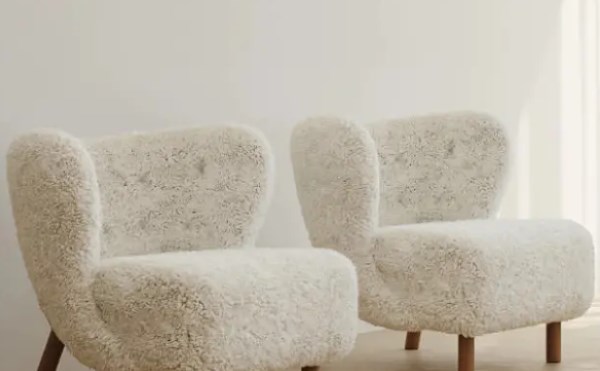
Materials and Design of Decorative Textiles
Decorative textiles made of different materials have different characteristics in terms of feel, appearance, and durability. Common materials include natural fibers (such as cotton, linen, silk, and wool) and synthetic fibers (such as polyester and nylon). Natural fibers usually have better breathability and comfort, while synthetic fibers are popular for their wear resistance, ease of cleaning, and wrinkle resistance. In terms of design, the patterns and color choices of decorative textiles are crucial. Pattern design can be selected based on the style of the space; for example, modern minimalist homes often choose simple lines and single-color patterns, while traditional Chinese or European homes tend to choose complex patterns such as floral or geometric designs. These patterns are not only decorative elements but also often carry specific cultural symbols and emotional expressions. Color can greatly influence the atmosphere of a space; warm tones usually create a warm and inviting feeling, while cool tones bring a fresh and tranquil atmosphere.
When choosing decorative textiles, designers must consider not only aesthetics and functionality but also coordination with other elements in the space. For example, the colors of curtains and furniture should be properly matched, and the design of bedding should be consistent with the overall style of the room. Through careful selection and matching, decorative textiles can play a key role in enhancing the space.
Functionality and Maintenance of Decorative Textiles
Decorative textiles not only have a decorative effect but also often possess certain functionalities. For example, curtains can effectively regulate indoor light, maintain indoor temperature, and even provide a degree of privacy. High-quality curtain materials can effectively insulate against heat and sound, thus improving living comfort. Furthermore, the choice of curtains can affect the quality of light in the room, making the space more warm and inviting.
Carpets also have multiple functions; in addition to their decorative role, they also provide practical functions such as sound absorption, warmth, and slip resistance. In the cold winter months, thick carpets can provide extra warmth for the feet, making the space more comfortable.
Considerations When Choosing Decorative Textiles
When choosing decorative textiles, the first factor to consider is the functional needs of the space. For example, the living room, as the main area for family activities, requires decorative textiles that are both aesthetically pleasing and durable, especially sofa covers and carpets. Bedrooms, on the other hand, can opt for softer and more comfortable bedding, such as down comforters and silk pillowcases.
It is also important to consider whether the style of the decorative textiles matches the overall layout of the space. For example, if the home style is modern minimalist, you can choose curtains and cushions with solid colors and simple lines; if it is a traditional European style, you may need more patterns and luxurious materials. Furthermore, color coordination is also crucial, as it determines the atmosphere and visual effect of the space. Overly flashy decorations may disrupt the sense of unity in the space, while overly monotonous color schemes can make the space appear dull and uninteresting.
Choosing high-quality decorative textiles is very important. High-quality fabrics not only provide better comfort but also enhance the overall quality of the home. Therefore, when purchasing, choose well-known brands or certified products to ensure the safety and durability of the materials.
Frequently Asked Questions (FAQ)
Q1: What are the common materials for decorative textiles?
A1: Common materials for decorative textiles include natural fibers such as cotton, linen, silk, and wool, as well as synthetic fibers such as polyester and nylon. Different materials differ in feel, breathability, and durability.
Q2: How to clean and maintain decorative textiles?
A2: The cleaning method for decorative textiles varies depending on the material. Cotton and linen textiles can be machine washed, while high-end textiles such as wool and silk should be dry-cleaned or professionally cleaned. When cleaning, follow the care instructions on the label.
Q3: How to choose decorative textiles that suit the home style?
A3: When choosing decorative textiles, you should select them according to your home style. Modern minimalist styles can choose simple, solid-colored fabrics, while traditional European styles are suitable for more complex patterns and luxurious fabrics.
Q4: Can decorative textiles enhance the home atmosphere?
A4: Yes, decorative textiles not only add color to the space but also adjust the atmosphere through colors and patterns. Carefully selected decorative textiles can improve the comfort and visual effect of the home.
Decorative textiles are not just a small detail in home decoration; they beautify the space while also serving multiple functions, such as sound insulation, heat preservation, and light control. Through careful selection of materials, design, and function, decorative textiles can subtly enhance the artistry and comfort of the space, making them an indispensable element in modern homes.


 ENGLISH
 English
 Español
 عربى
عربى