Introduction
In the context of continuous advancements in textile materials, Recycled Polyester Fabric is gradually becoming one of the most sought-after core materials in the field of functional fabrics. As a significant representative of recycled polyester fabrics, it maintains the original performance advantages of polyester fibers while achieving a higher level of material value and product performance through raw material recycling and process optimization. This fabric is not simply an environmentally friendly alternative, but a highly mature textile material in terms of physical properties, stability, and breadth of application.
Material Nature and Structural Characteristics of Recycled Polyester Fabric
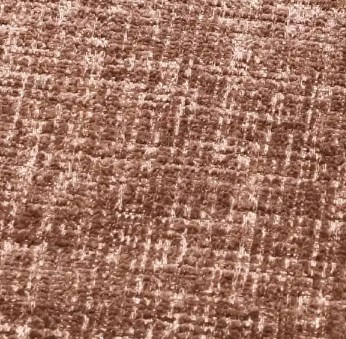
Recycled Polyester Fabric essentially still belongs to the polyester fiber system. Its molecular structure is stable, and its high crystallinity gives the fabric good strength and durability. The recycling process does not change the core chemical structure of the polyester fiber; therefore, the finished fabric still maintains a high level of performance in terms of tensile strength, abrasion resistance, and dimensional stability. After fine processing, the uniformity and surface smoothness of the recycled polyester yarn are significantly improved, making the overall feel of the fabric more delicate and also more conducive to post-finishing processes.
From a structural perspective, recycled polyester fabrics can exhibit diverse organizational forms during the weaving process. Whether it's plain weave, twill weave, or knitted structure, they can maintain good shaping effects. This structural stability gives Recycled Polyester Fabric high controllability and consistency in clothing and functional textiles.
Fabric Performance and Functional Advantages
In terms of practical use, Recycled Polyester Fabric continues the significant characteristics of polyester fabrics: easy care and resistance to deformation. The fabric has good elasticity and can maintain its original shape after multiple wears or washes, which is particularly important for products that emphasize durability. At the same time, recycled polyester fibers have relatively moderate moisture absorption, and a more comfortable wearing experience can be achieved through adjustments in weaving density and finishing techniques.
In terms of color fastness, Recycled Polyester Fabric has a stable ability to bind dyes, resulting in high color saturation and resistance to fading. This characteristic not only improves the durability of the product's appearance but also helps reduce subsequent maintenance costs. The fabric also performs reliably in terms of heat resistance and anti-aging properties, adapting to various usage environments and exhibiting strong adaptability to temperature and light changes.
Processing Adaptability of Recycled Polyester Fabric
From a production perspective, recycled polyester fabric exhibits excellent adaptability during processing. The yarn has good spinnability and a low breakage rate, which helps improve weaving efficiency and ensures stable output of finished product quality. In the dyeing and finishing process, the fabric has high compatibility with conventional processes, allowing it to flexibly meet the requirements of different product positioning in terms of feel, luster, and functionality.
The uniform surface structure of recycled polyester fibers facilitates functional finishing treatments, further enhancing the added value of the fabric while maintaining its basic performance. This processing flexibility allows Recycled Polyester Fabric to cover a multi-layered range of needs, from basic fabrics to high-performance finished products.
Application Value at the Product Level
From the product itself, Recycled Polyester Fabric offers a high overall cost-effectiveness. Its durability extends the product's lifespan, and the fabric's stability reduces the possibility of deformation and wear, allowing the finished product to maintain a good condition even after long-term use. For products that prioritize quality consistency, the batch stability of recycled polyester fabric is particularly important, helping to maintain the overall product image and quality standards.
In terms of feel and appearance, through different spinning and finishing methods, recycled polyester fabric can present a variety of styles, from soft to crisp, giving product design greater scope for creativity. This versatility allows the fabric to not only possess functional attributes but also meet diverse aesthetic needs.
Quality Stability of Recycled Polyester Fabric
Quality stability is one of the important indicators for measuring the value of a fabric. Recycled polyester fabric undergoes strict management in raw material processing and spinning control, resulting in minimal fluctuations in fiber performance. The finished fabric exhibits consistency in thickness uniformity, surface flatness, and physical indicators, which helps reduce uncontrollable factors in the garment or finished product manufacturing process.
This stability is reflected not only in a single batch but also in the long-term supply process, making Recycled Polyester Fabric a reliable material choice suitable for large-scale applications.
FAQ
Are there any differences in performance between Recycled Polyester Fabric and ordinary polyester fabric?
Under mature process conditions, recycled polyester fabric maintains a high degree of consistency with ordinary polyester fabric in terms of strength, stability, and durability, and some indicators are even more stable.
Is this fabric suitable for long-term use?
Recycled Polyester Fabric has good wear resistance and anti-aging properties, and can maintain structural and appearance stability during long-term use.
Are there limitations to the appearance and feel of recycled polyester fabric?
Through different spinning and finishing processes, recycled polyester fabric offers strong adjustability in terms of feel and appearance, meeting the needs of various products.
Is Recycled Polyester Fabric easy to process?
This fabric has good adaptability to conventional textile and dyeing processes, resulting in a stable processing process and helping to ensure consistent finished product quality.


 ENGLISH
 English
 Español
 عربى
عربى