With the increasing pursuit of comfort and aesthetics in home décor, Patterned Chenille Upholstery Fabric has gradually become a popular choice in the market. Its unique weaving technique, luxurious texture, and rich pattern designs not only meet functional needs but also integrate artistry into daily life. This fabric, with its excellent tactile and visual effects, is widely used in various home furnishing products such as sofas, curtains, and cushions.
The Craftsmanship and Construction of Patterned Chenille Upholstery Fabric
The weaving technique of chenille fabric can be traced back to the early 20th century, and after years of development, its technology has matured. Patterned chenille fabric uses a unique pile weaving method, employing distinct and abundant loops of fiber to create a rich texture and a comfortable feel. Compared to ordinary fabrics, chenille fabric has a distinctly velvety feel, is thick and soft, and gives a warm and skin-friendly sensation.
Patterned chenille upholstery fabric further incorporates exquisite pattern designs on top of the basic chenille weave. These patterns can range from simple geometric designs to complex floral, animal, or traditional textures. Due to the unique properties of chenille fibers, the patterns appear both three-dimensional and clear, giving a sense of visual depth. Coupled with its rich color selection, patterned chenille fabrics blend seamlessly into both modern minimalist and classic luxury styles.
The Aesthetic Value of Patterned Chenille Decorative Fabrics
Home décor is not only about functionality but also about aesthetics. Patterned chenille decorative fabrics, with their unique design language, have become a favorite among many interior designers. Different patterns can create different atmospheres, showcasing both modern, minimalist freshness and a rich traditional cultural feel.
For example, abstract geometric patterns often bring a touch of modernity to contemporary homes, simple yet sophisticated; while classic floral patterns can add elegance and rustic charm to classically styled spaces. In short, the artistry and design sense of patterned chenille decorative fabrics make them widely applicable and uniquely charming in home décor. Whether used as sofa fabric, curtains, or bedding, patterned chenille fabrics can add a touch of vibrant color to living spaces.
Functional Advantages of Patterned Chenille Upholstery Fabric
Besides its excellent aesthetic appeal, patterned chenille upholstery fabric also boasts significant functional advantages. Chenille fabric is exceptionally durable due to its high-density yarns, giving the fabric strong abrasion resistance. This characteristic makes patterned chenille fabric more resistant to daily use and able to withstand prolonged use and cleaning.
Chenille fabric itself has a certain degree of stain resistance. Due to the napped surface, stains do not easily penetrate the fibers, making cleaning easier. Furthermore, with technological advancements, some high-end patterned chenille fabrics have incorporated waterproof and UV-resistant properties, making them even more suitable for the needs of modern home life.
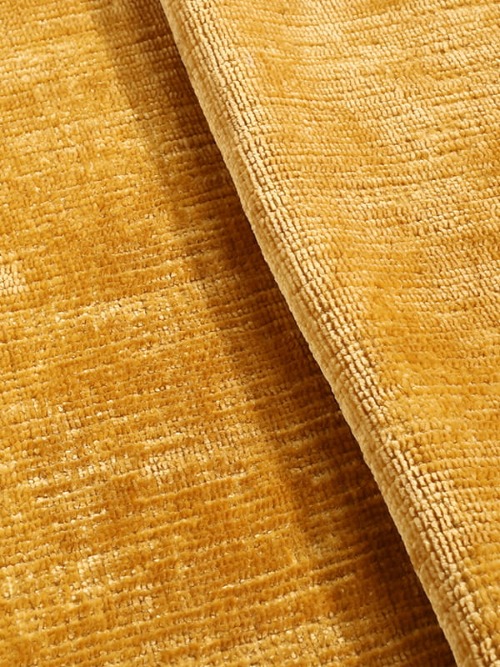
The soft touch of patterned chenille fabric provides exceptional comfort, making it ideal for crafting sofas, bed sheets, cushions, and other home furnishings. Its warm yet delicate texture is perfect for autumn and winter home environments, bringing a cozy and comfortable living experience.
Tips for Matching Patterned Chenille Upholstery Fabric
In home décor, knowing how to match patterned chenille fabric is a crucial aspect. Its rich textures and colors can complement other materials and decorations, enhancing the overall home atmosphere.
For modern minimalist style homes, choose simple geometric patterns or strong lines, paired with simple metal accents and monochrome furniture to create a stylish and artistic space. For traditional style homes, choose classic floral patterns paired with dark wood furniture to create an elegant and classic atmosphere.
The color selection of patterned chenille fabrics is also very rich. Warm tones such as gold, brown, and red can create a warm home atmosphere, while cool tones such as blue, gray, and green are more suitable for creating a fresh and modern home environment. In terms of color matching, you can choose suitable colors according to personal preferences and the overall style of your home, highlighting the texture of the fabric while complementing the overall space.
Frequently Asked Questions (FAQ)
1. Does patterned chenille decorative fabric fade easily?
Patterned chenille fabrics have good colorfastness, especially high-quality chenille fabrics, whose dyeing processes make their colors more stable. Generally, as long as proper cleaning and maintenance methods are followed, the fabric color will not easily fade.
2. Is patterned chenille fabric easy to clean?
Patterned chenille fabric has a certain degree of stain resistance; the surface nap does not easily attract stains. For daily cleaning, simply use a vacuum cleaner to clean the surface. For stubborn stains, use a suitable cleaning agent for spot treatment, avoiding high temperatures or strong chemicals that could damage the fabric.
3. What home furnishing products are suitable for patterned chenille fabric?
Due to its excellent texture and durability, patterned chenille fabric is widely used in home furnishing products such as sofas, curtains, bedding, and cushions. It is particularly suitable for places requiring a comfortable feel and wear resistance, such as living rooms and bedrooms.
4. How long is the lifespan of patterned chenille fabric?
The lifespan of patterned chenille fabric is closely related to the quality of the fabric, the frequency of use, and maintenance. High-quality chenille fabric, under normal use and proper care, can last for many years without easily deforming or fading.
5. Are all patterned chenille fabrics waterproof?
Not all patterned chenille fabrics are waterproof; the waterproof function is usually added through a special treatment process. When purchasing, you can choose fabrics with waterproof properties based on your actual needs, especially in areas prone to moisture or stains.


 ENGLISH
 English
 Español
 عربى
عربى