In today's rapidly changing textile industry, Natural Fibers-Blend Fabrics are increasingly becoming a focus for brands and consumers. The fashion market is gradually shifting from an initial appearance-driven approach to a value system that emphasizes quality, health, and environmental protection, and natural fiber blended fabrics are at the core of this transformation. Combining natural attributes with functional performance, and constantly evolving under the impetus of weaving techniques, they have become a highly promising innovative direction in the apparel fabric field.
Material Characteristics and Technological Advantages of Natural Fiber Blends
Natural fiber blended fabrics are typically made by combining plant or animal-derived materials with other types of fibers in a scientifically proportioned manner. This blending method can maintain the comfortable feel of natural fibers while further enhancing the overall performance of the fabric in terms of structural strength, abrasion resistance, and stability. Natural fibers themselves possess skin-friendly, moisture-wicking, breathable, and soft properties, while the blended structure compensates for their shortcomings in shape retention and durability, resulting in a comprehensive improvement in the wearing experience and lifespan of the fabric.
In the fabric research and development process, blending technology allows for deep proportioning based on fiber characteristics. By adjusting spinning and weaving parameters, fabrics achieve higher stability and fineness. Natural fibers retain their unique natural texture and feel during blending, while simultaneously enhancing wrinkle resistance and resilience, making the fabric more suitable for frequent wear. With continuous upgrades in textile machinery and processing technology, natural fiber blended fabrics exhibit greater versatility in structural density, softness, and luster.
The Value Enhancement of Natural Fiber Blends under Sustainable Trends
In recent years, environmental awareness has increasingly permeated consumer decision-making. Natural fiber blended fabrics, due to their traceability and health and safety, occupy an increasingly important position in sustainable fashion. These fabrics reduce chemical processing during production, retaining more natural properties, resulting in greater comfort against the skin and better meeting the body's needs for safety and a natural feel. In the construction of sustainable supply chains, the recyclability and biodegradability of natural fiber blended fabrics also make them an important component of green textiles.
As industries continue to pursue low-carbon and environmental goals, the environmental performance of fabrics has become a new competitive advantage for brands. Natural fiber blends not only focus on the source of materials but also further reduce energy consumption and chemical emissions by optimizing spinning, dyeing, and finishing processes, significantly lowering the ecological burden of the entire fabric production process. Driven by this trend, natural fiber blend fabrics are gradually becoming a key support for enhancing brand value and an important direction for the sustainable development of green textiles in the future.
Textural Expression and Style Extension in Apparel Applications
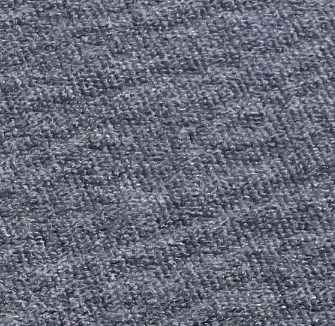
Natural fiber blend fabrics, due to their soft and natural texture, exhibit exceptional expressiveness in clothing design. Their fiber structure determines the fabric's delicate and soft touch, while possessing just the right amount of drape and tension, allowing the garment to present a naturally flowing visual effect in motion. In terms of color performance, the adsorption and reflection properties of natural fibers give the fabric a soft and pleasing visual texture after dyeing, resulting in a more natural overall style.
In different categories of clothing, natural fiber blend fabrics, due to their structural stability and fit, can meet a wide range of wearing needs. Its breathability, moisture absorption, and gentle texture make it comfortable for everyday wear, while the durability and shape retention of the blended fabric enhance its practical value. Due to the unique lightweight and flexibility of natural fibers, when blending technology further releases these properties, the fabric's versatility in tailoring increases, making it suitable for creating garments in various styles and contexts.
Future Development Direction Driven by Market Trends
With consumption upgrades and changes in the fashion market structure, natural fiber blended fabrics will continue to deepen their influence among consumers. With the intelligent and digital upgrades of the supply chain, fabric R&D speed and quality control will be more advantageous, allowing for a more balanced development between stability and innovation. The stylistic expression of natural fiber blended fabrics is gradually becoming more diversified, giving designers a wider creative dimension in material application, enabling them to create more delicate, comfortable, and high-quality wearing experiences.
As the integration of technical fibers and natural fibers gradually strengthens, blended fabrics will achieve higher-level breakthroughs in texture, functionality, and environmental friendliness. In fabric selection, the brand will place greater emphasis on a comprehensive balance between health, feel, durability, and environmental friendliness to meet consumers' pursuit of a high-quality lifestyle. Natural fiber blended fabrics, with their unique natural properties and continuously upgraded processing techniques, are poised to demonstrate even stronger growth potential in the future textile industry.


 ENGLISH
 English
 Español
 عربى
عربى