The Art of Jacquard in Modern Furniture
Jacquard, a weaving technique developed in the early 19th century, has long been synonymous with intricate patterns and luxury textiles. Originally designed for decorative clothing, Jacquard has evolved to become a cornerstone in the furniture and home décor industry. Its unique method allows for complex designs to be woven directly into the fabric, rather than printed or embroidered, giving it durability, depth, and a sense of sophistication that few other textiles can match.
The process of creating Jacquard fabric involves a special loom equipped with punched cards or modern digital controls that guide the weaving pattern. This precision enables artisans to produce highly detailed designs, from traditional damask motifs to contemporary geometric patterns. Unlike simple woven fabrics, Jacquard textiles combine multiple threads and yarn types to create textures that can be both visually striking and tactilely rich. This versatility makes it ideal for high-end furniture, where both aesthetics and longevity are essential.
In modern furniture design, Jacquard fabrics are commonly used for sofas, armchairs, ottomans, and even decorative accents like cushions and drapes. Luxury furniture brands often favor Jacquard for its ability to elevate a room’s ambiance while maintaining practical resilience. The fabric’s durability ensures it withstands daily wear, making it a preferred choice for spaces that demand both style and functionality.
Fabrics and their main features:
| Product Name |
Pattern Type |
Material Composition |
Application |
Key Feature |
| Jacquard Luxe |
Floral |
60% Cotton, 40% Polyester |
Sofas, Armchairs |
Soft touch, durable |
| Modern Weave |
Geometric |
70% Polyester, 30% Viscose |
Dining chairs |
Stain resistant |
| Royal Jacquard |
Damask |
100% Polyester |
Curtains, Decor |
High color fastness |
These variations demonstrate how Jacquard fabrics can cater to diverse interior styles. For instance, floral patterns often complement classic or traditional décor, whereas geometric weaves align seamlessly with modern, minimalist interiors. Moreover, the choice of material composition influences not only the feel and look but also maintenance requirements. Cotton-polyester blends offer comfort and breathability while enhancing durability, whereas 100% polyester options provide superior color retention and resistance to fading.
Beyond aesthetic appeal, Jacquard fabrics offer practical benefits crucial for furniture longevity. The woven nature of the textile ensures that designs are embedded in the structure of the fabric, rather than sitting on top as a printed pattern. This intrinsic durability makes Jacquard especially suitable for high-traffic areas, where furniture must endure frequent use without compromising appearance. Additionally, many modern Jacquard fabrics incorporate advanced treatments to improve stain resistance and ease of cleaning, meeting the demands of contemporary households.
Innovation in Jacquard weaving has also opened opportunities for customization. Designers can now commission bespoke patterns tailored to specific furniture pieces or interior themes, blending traditional craftsmanship with modern technology. This adaptability has reinforced Jacquard’s status as a premium material, providing both designers and consumers the flexibility to achieve unique, personalized interiors.
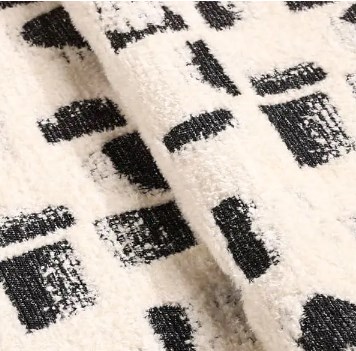
In conclusion, Jacquard remains an indispensable element in modern furniture design. Its combination of artistry, durability, and versatility ensures that it continues to dominate the upholstery market. By understanding the technical and aesthetic qualities of Jacquard fabrics, interior designers, manufacturers, and homeowners alike can make informed choices that balance beauty with functionality, ensuring that their furniture remains both elegant and enduring.
Upholstery Innovations and Market Demand
Upholstery plays a pivotal role in defining the comfort, functionality, and overall aesthetic of furniture. While Jacquard provides the decorative artistry, the choice of upholstery material determines how furniture withstands daily use, environmental factors, and wear over time. Modern consumers increasingly demand fabrics that combine style with durability, ease of maintenance, and versatility across various interior spaces.
Traditionally, upholstery materials included natural fibers like cotton, wool, and linen. These offered comfort and breathability but often required more care and were susceptible to stains and fading. Today, innovations in synthetic fibers and blended textiles have transformed the upholstery market. Fabrics such as microfiber, polyester blends, and treated cotton now offer enhanced durability, resistance to moisture, and improved color retention. These materials allow furniture manufacturers to meet high consumer expectations without sacrificing design quality.
One major trend in upholstery is the rise of functional fabrics that address real-world challenges. For example, stain-resistant coatings and water-repellent finishes are becoming standard in high-traffic furniture items like sofas, recliners, and commercial seating. Anti-microbial treatments are also gaining popularity, particularly in homes with children or in public spaces such as hotels and offices. These advancements ensure that furniture remains attractive and hygienic over extended periods, aligning with both lifestyle needs and health-conscious trends.
More common interior decoration fabrics:
| Material Type |
Durability |
Comfort Level |
Common Use |
Maintenance Tips |
| Velvet |
Medium |
High |
Sofas, Armchairs |
Dry clean only |
| Microfiber |
High |
Medium |
Recliners, Chairs |
Spot clean |
| Linen Blend |
Medium |
Medium |
Dining chairs |
Avoid direct sunlight |
| Leather |
High |
Medium |
Sofas, Ottomans |
Condition regularly |
| Polyester Blend |
High |
Medium |
Commercial seating |
Wipe clean with damp cloth |
High-end velvet offers a luxurious feel and visual richness, making it ideal for statement pieces in living rooms. Microfiber and polyester blends provide practical alternatives, delivering durability and easy maintenance for families or commercial environments. Leather continues to be a premium choice, valued for its longevity, classic aesthetic, and ability to develop a unique patina over time.
Fabric Trends Shaping Interior Design
The choice of fabric is a decisive element in interior design, influencing not only the visual appeal but also the functional performance of furniture and décor. In contemporary interiors, fabric selection is driven by a combination of aesthetics, comfort, durability, and sustainability, making it a key consideration for designers, manufacturers, and homeowners alike.
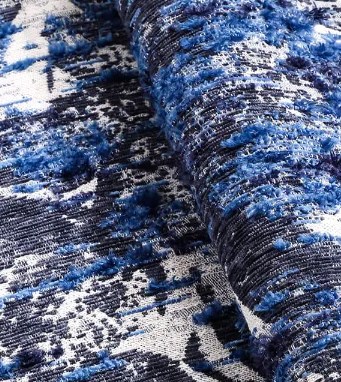
Patterns and textures are also evolving rapidly. Traditional motifs such as damask and floral patterns remain popular in luxury interiors, often featured on sofas, armchairs, and curtains. Meanwhile, geometric and abstract designs are gaining traction in modern, minimalist, and contemporary spaces. These patterns can enhance visual interest, complement architectural features, and create a cohesive design narrative throughout a room.
Sustainability has become a crucial factor shaping fabric trends. Eco-friendly textiles, including recycled fibers, organic cotton, and low-impact dyed fabrics, are increasingly preferred by environmentally conscious consumers. This shift not only reflects a growing societal awareness of environmental issues but also aligns with the broader trend of responsible consumption in home décor. Furniture and textile manufacturers are responding by offering fabrics that meet rigorous environmental standards without compromising on quality or design appeal.
Current fabric trends, applications and key features:
| Fabric Type |
Pattern Style |
Sustainability |
Typical Usage |
Price Range |
| Eco Jacquard |
Geometric, Floral |
Yes |
Sofas, Curtains |
Mid-High |
| Printed Velvet |
Floral, Abstract |
No |
Chairs, Sofas |
Medium |
| Blended Linen |
Stripes, Checks |
Partially |
Dining chairs |
Low-Medium |
| Recycled Polyester |
Solid, Textured |
Yes |
Office furniture |
Low-Medium |
| Chenille Blend |
Woven, Patterned |
Partially |
Living room sofas |
Medium-High |
Texture innovation is another aspect influencing fabric trends. Designers are increasingly experimenting with tactile surfaces, such as embossed weaves, raised patterns, and mixed-material composites. These textural variations create depth and richness, enhancing the sensory experience of furniture. Additionally, tactile fabrics can play a functional role by masking minor wear or stains, making them suitable for both residential and commercial applications.
Color trends are evolving in parallel with patterns and textures. Neutral tones such as beige, gray, and soft pastels remain staples for creating versatile, timeless interiors. Simultaneously, bold accent colors are being incorporated to inject personality and dynamism into living spaces. The combination of pattern, texture, and color allows designers to craft visually compelling furniture while meeting the practical needs of everyday life.
Case Studies and Applications
Understanding the practical application of Jacquard, upholstery, and fabric in real-world settings provides valuable insights for both designers and consumers. These case studies highlight how the combination of material selection, pattern design, and functional innovation can transform interiors while meeting performance and aesthetic requirements.
Residential Applications
In luxury residential interiors, Jacquard fabrics are often chosen for statement pieces such as sofas, armchairs, and window treatments. Their intricate patterns and rich textures add depth and sophistication to living rooms and formal lounges. Homeowners increasingly favor upholstery that balances durability with a soft touch, ensuring comfort for daily use without compromising style.
Commercial and Hospitality Applications
In commercial spaces, the focus shifts toward durability, maintenance, and adherence to design standards. Hotels, office lobbies, and restaurants require upholstery that can endure high traffic while maintaining visual appeal. Jacquard fabrics, when combined with stain-resistant treatments, offer an ideal solution.
Customized Solutions
Customization has become an integral part of both residential and commercial projects. Designers increasingly work with manufacturers to develop bespoke fabric patterns, tailored upholstery options, and specialized finishes that align with specific themes or client preferences. This approach allows for unique interior statements while addressing functional requirements such as fire resistance, stain repellency, or antimicrobial properties.
Fabric types, uses and main advantages:
| Project Type |
Fabric Type |
Application |
Key Benefits |
| Luxury Living Room |
Floral Jacquard |
Sofa, Armchairs |
Elegant design, soft touch, durable |
| Modern Apartment |
Microfiber Blend |
Recliners, Accent Chairs |
Stain resistant, easy maintenance |
| Boutique Hotel |
Geometric Jacquard |
Lounge Chairs, Ottomans |
High durability, enhances brand identity |
| Restaurant |
Linen Blend |
Dining Chairs |
Comfortable, easy to clean |
| Office Lobby |
Recycled Polyester |
Sofas, Benches |
Eco-friendly, durable, versatile |
Key Takeaways
- Integration of Design and Function: The careful selection of Jacquard and upholstery fabrics ensures furniture meets both aesthetic and practical demands.
- Sustainability Considerations: The use of eco-friendly or recycled fabrics supports environmentally conscious projects without compromising quality.
- Adaptability Across Spaces: From private residences to commercial settings, the right combination of fabric type, pattern, and treatment can address diverse functional and design needs.
- Customization as a Differentiator: Tailored solutions allow clients to achieve distinctive interior designs while meeting performance requirements.
Maintenance, Durability, and Innovation
Maintenance Considerations
Different fabric types require tailored maintenance strategies. Jacquard fabrics, with their woven patterns, often benefit from professional dry cleaning to preserve intricate designs and prevent damage. Upholstery materials such as microfiber and synthetic blends are generally easier to maintain, allowing for spot cleaning or gentle washing. For high-traffic areas, regular vacuuming and prompt stain treatment extend the lifespan of furniture while maintaining aesthetic appeal.
Common care recommendations for various fabrics:
| Fabric Type |
Cleaning Method |
Lifespan |
Special Notes |
| Jacquard |
Dry clean preferred |
5-7 years |
Avoid direct sunlight |
| Microfiber |
Spot clean |
7-10 years |
Water repellent, low maintenance |
| Linen Blend |
Gentle wash |
3-5 years |
Iron at low temperature |
| Velvet |
Professional cleaning |
5-8 years |
Brush to maintain texture |
| Leather |
Wipe clean, condition |
10-15 years |
Avoid excessive moisture |
Durability Factors
Durability is a critical measure for furniture longevity, especially in residential and commercial environments. The woven nature of Jacquard ensures designs are embedded into the fabric, offering superior resistance to wear and tear. Synthetic blends enhance durability further by adding strength, color retention, and resistance to stains. Meanwhile, traditional natural fibers such as cotton and linen provide comfort but require more attentive care to maintain their appearance over time.
Innovations in Fabrics
Technological advancements continue to drive innovation in upholstery and fabric materials. Some of the latest developments include:
- Stain-Resistant Treatments: Fabrics treated to repel liquids and resist staining, ideal for homes with children or pets and high-traffic commercial spaces.
- Antimicrobial Coatings: Integration of antimicrobial agents reduces bacteria and odor, enhancing hygiene in healthcare, hospitality, and family environments.
- Eco-Friendly Fibers: Use of recycled polyester, organic cotton, and low-impact dyeing aligns with sustainability initiatives while preserving fabric quality.
- Enhanced Comfort Textures: Advances in weaving and blending techniques produce fabrics with improved softness, elasticity, and tactile appeal.
Best Practices
- Rotate cushions and seating areas regularly to reduce uneven wear.
- Protect fabrics from prolonged exposure to sunlight to avoid fading.
- Follow manufacturer-specific cleaning guidelines for each material.
- Invest in high-quality protective coatings or treatments where possible.
Conclusion
Upholstery innovations further expand the functionality and practical value of furniture. Modern materials—ranging from microfiber and polyester blends to treated cotton and linen—allow designers to meet consumer demands for comfort, resilience, and easy maintenance. These fabrics provide the structural integrity needed for high-traffic areas while maintaining elegance, highlighting the importance of informed material selection in furniture design.
Fabric trends shape the broader visual and functional landscape of interiors. Multi-functional, sustainable, and customizable fabrics enable designers and homeowners to create cohesive environments that reflect personal style while addressing real-world challenges. From bold geometric patterns to subtle floral motifs, the interplay of texture, color, and design elevates furniture beyond utility, transforming it into a statement of taste and identity.


 ENGLISH
 English
 Español
 عربى
عربى