Introduction
In today's textile industry, which constantly strives for quality upgrades, natural fibers-blend fabrics are gradually becoming a core direction in fabric research and development. These fabrics are based on natural fibers and, through scientific blending methods, significantly improve overall performance while maintaining natural properties. Whether in terms of touch, wearing experience, stability, or applicability, natural fiber blend fabrics demonstrate strong product value.
Natural fiber blend fabrics are not simply a combination of multiple fibers, but rather a systematic design based on the physical structure, surface characteristics, and interaction mechanisms of the fibers. Natural fibers themselves possess good skin-friendliness, breathability, and moisture absorption properties, but have certain limitations in durability, dimensional stability, and appearance retention.
Through the blending process, these natural advantages are preserved, while compensating for the shortcomings of single fibers in practical use, resulting in a more balanced overall performance. This type of fabric typically exhibits a delicate and layered feel, with a naturally soft fabric surface that avoids a stiff or plastic feel. From a product perspective, it is closer to human needs than simply pursuing technical parameters.
Synergistic Optimization of Structure and Touch
Structural Coordination Within the Fabric
In natural fiber blend fabrics, the synergistic effect of fiber structure is particularly crucial. Different fibers interweave during the spinning and weaving process, creating a more stable support system within the fabric. This structure not only improves the fabric's resilience and resistance to deformation but also allows the fabric to maintain its original texture after repeated wear and washing.
Enhanced Tactile Experience
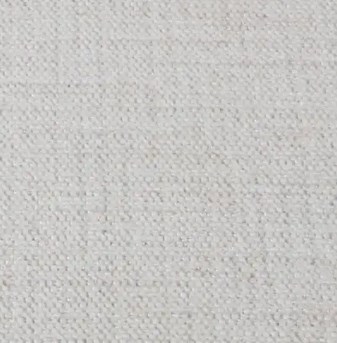
In terms of touch, natural fiber blend fabrics often exhibit higher fineness and smoothness. The friction coefficient between the fibers is effectively adjusted, so the fabric is neither too loose nor too stiff, resulting in a more skin-friendly feel suitable for long-term wear.
Intrinsic Improvement of Functional Performance
Moisture and Breathability Balance
From a product function perspective, natural fiber blend fabrics have significant advantages in moisture regulation, breathability balance, and temperature adaptability. Natural fibers are responsible for quickly absorbing moisture produced by the body, while the blended structure helps to evenly distribute and release moisture within the fabric, thus maintaining a dry and comfortable wearing state.
Natural Shape Retention
The blended fabric also exhibits more stable performance in terms of wrinkle resistance and shape retention. This stability does not rely on additional finishing treatments, but rather stems from the rational combination of the fibers themselves, allowing the fabric to possess excellent appearance in its natural state.
The Unity of Texture and Durability
Refined Visual and Tactile Texture
High-quality natural fiber blended fabrics often exhibit a more sophisticated texture in terms of both visual and tactile aspects. The fabric surface texture is naturally fine and delicate, with a soft, non-glaring luster, effectively showcasing the fabric's inherent layering. This texture does not rapidly deteriorate with use, but instead gradually develops a more natural state over time.
Long-Term Durability Performance
In terms of durability, the blended structure gives the fabric stronger tensile strength and wear resistance. The mutual support between fibers reduces localized stress concentration, thereby extending the product's lifespan. This enhanced durability is one of the important advantages of natural fiber blended fabrics compared to traditional single-fiber fabrics.
Fabric Stability and Garment Performance
Processing Stability
For finished products, natural fiber blended fabrics exhibit higher stability during cutting, sewing, and garment shaping. The fabric is less prone to significant dimensional changes, and the sewing lines are flatter, contributing to the overall silhouette of the garment. This stability directly affects the final product quality and is a key reason why high-end textiles choose blended fabrics.
Wearing Adaptability
From a wearing experience perspective, the fabric has stronger adaptability to different environmental conditions, maintaining the comfortable characteristics of natural fibers while demonstrating reliable performance in practical use.
FAQ
Does natural fiber blended fabric affect breathability?
Properly designed natural fiber blended fabrics usually do not reduce breathability; instead, through fiber structure optimization, air circulation is more even, resulting in higher overall comfort.
Does this fabric have an industrial feel?
Natural fibers still occupy a core position in the blend, so the overall feel of the fabric remains natural and soft, without a noticeable industrial feel.
Is natural fiber blended fabric suitable for long-term use?
Due to the more stable fiber structure, these fabrics are less prone to performance degradation during long-term wear and daily care, making them suitable for products that prioritize both durability and comfort.
What are the advantages of blended fabrics compared to pure natural fibers?
Natural fiber blended fabrics maintain their natural properties while significantly improving stability and overall performance, resulting in a more balanced performance in practical use.


 ENGLISH
 English
 Español
 عربى
عربى